About the farm
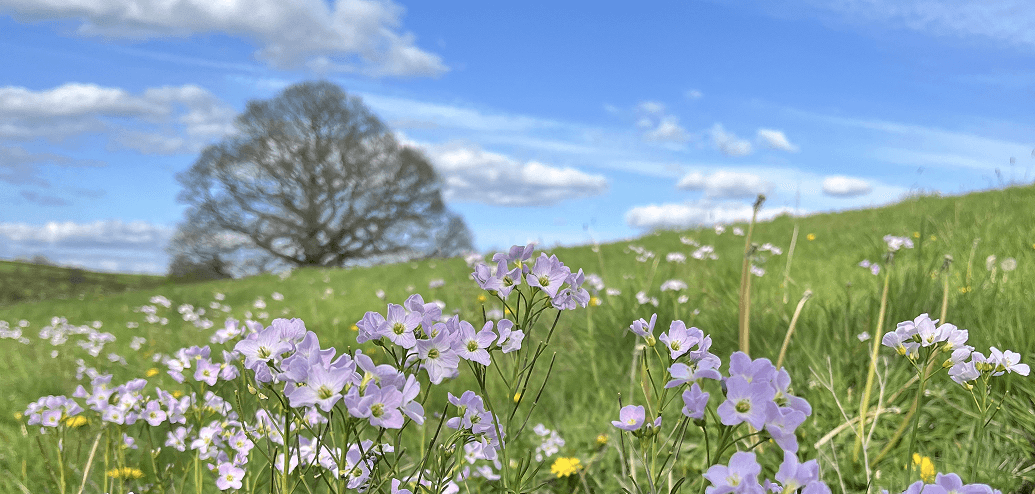
New House Farm is 240 acres of grassland and woodland in Monmouthshire, South East Wales.
The farm is part of the Old Lands Estate regenerative farm cluster.
I moved into New House Farm in the spring of 2024. The farm is in a quiet, rural corner of Monmouthshire, sitting amidst gentle rolling hills, bordering the River Trothy, a tributary to the River Wye at the Northern boundary of the farm.
The long-term vision for the farm is to develop a resilient farming system, with minimal inputs, producing nutrient dense produce to sell locally.
Soil health is key to all decisions made on the farm. Improving soil health to improve livestock stock health to provide nutrition dense food to consumers.
The soils on the farm have a lot of compaction, so we are working to increase rooting depth to improve infiltration in the soils. Stocking rates can be increased when the soil health improves.
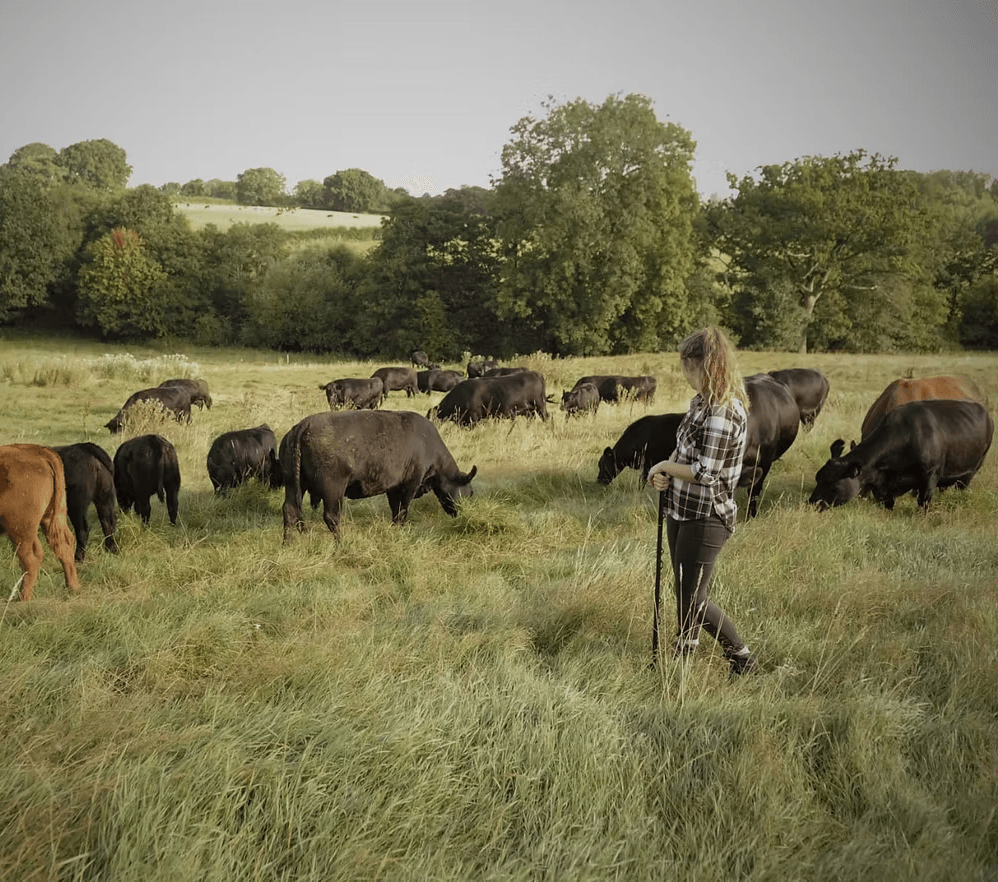
Our approach to grazing is focused on mob grazing, which provides longer rest periods for the fields. This extended rest allows deeper-rooting grasses, such as cocksfoot and tall fescue, to establish.
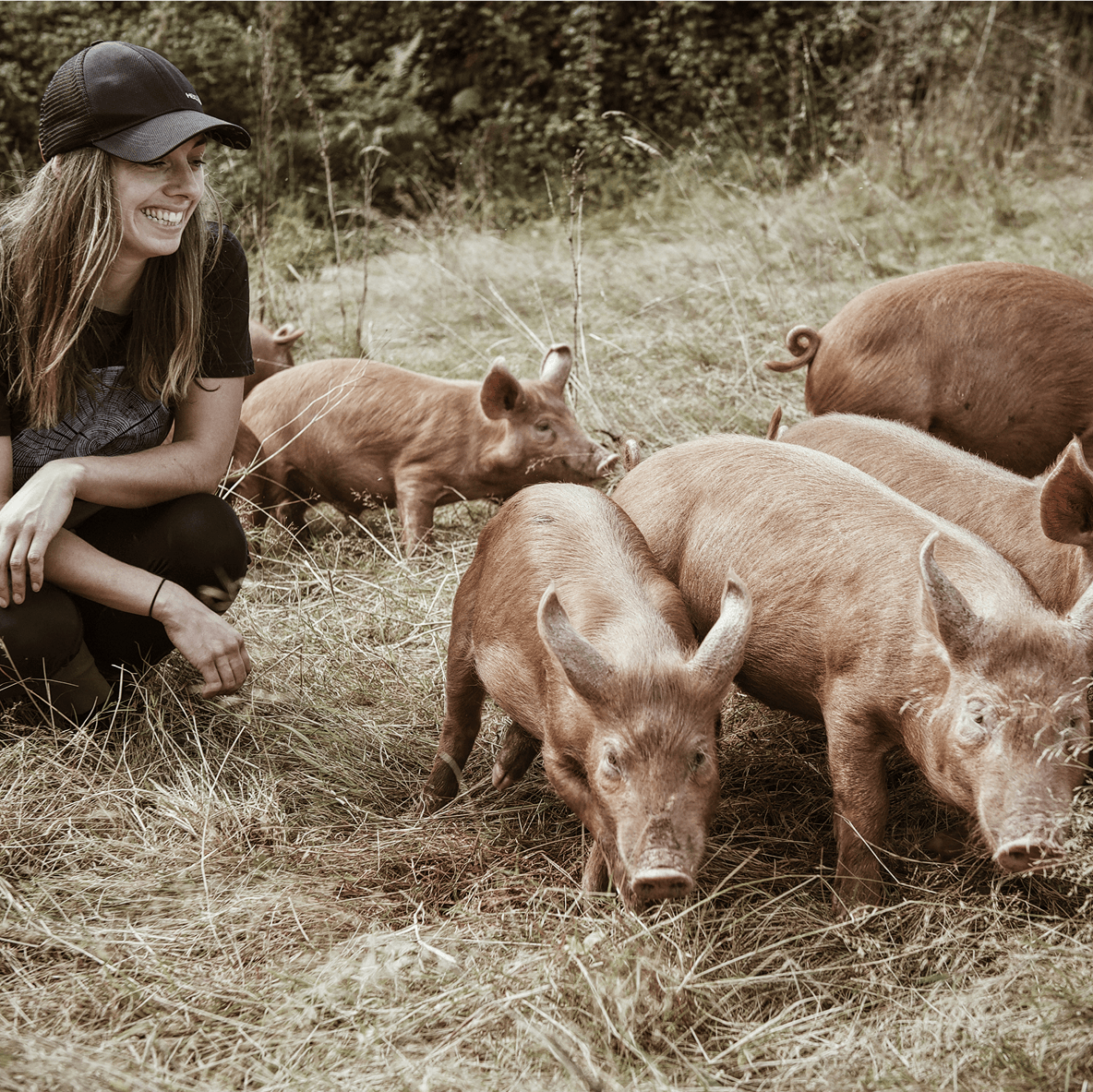
My Story
Growing up in rural South West Wales, surrounded by farms, I developed a passion for agriculture and the outdoors.
Whenever I could, I spent weekends and holidays helping out on local farms. I particularly enjoyed lambing season on Gower, or getting a call early in the morning inviting me to watch a cow caesarean at the local dairy farm. I learned a huge amount from a great group of local farmers.
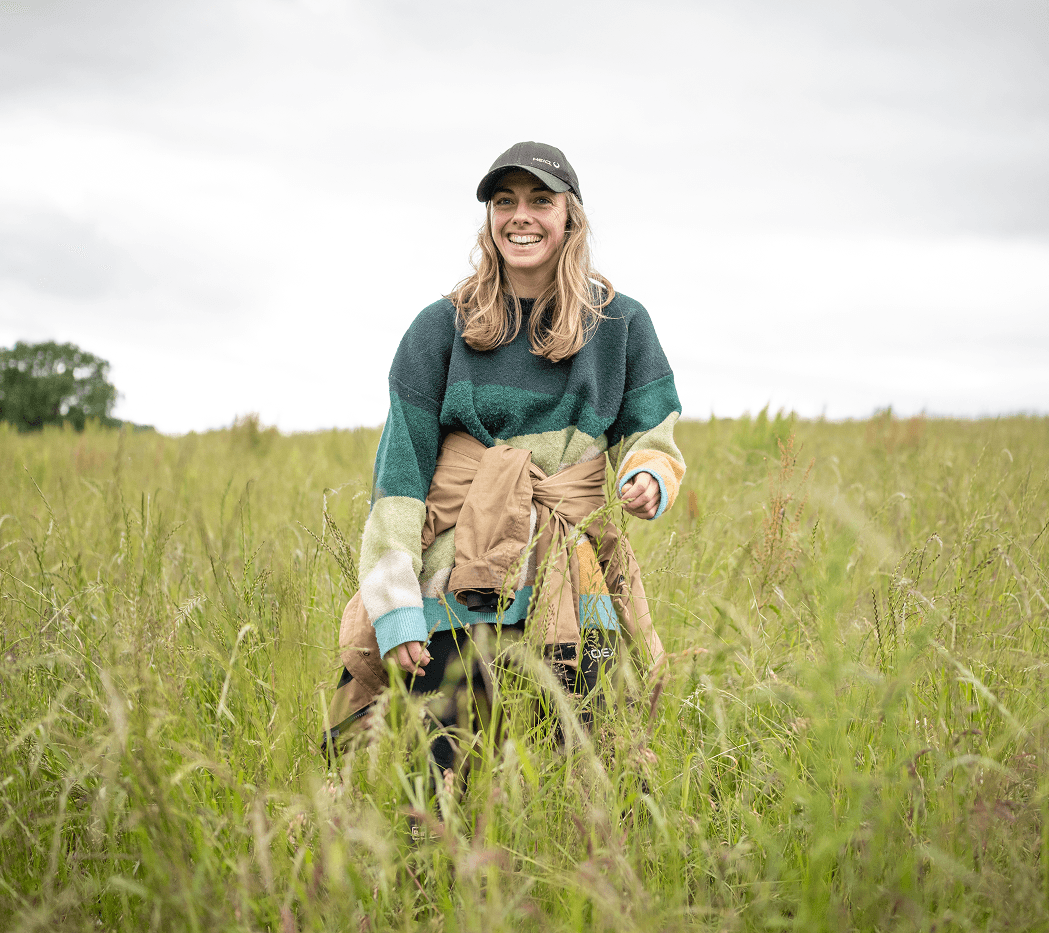
I went on to study Bio-Veterinary Science at the University of Liverpool in 2013.
In the years after graduating, I worked with some fantastic companies; gaining experience in laboratory work at the Veterinary Tissue Bank, and running farmer workshops on responsible antibiotic use, dairy cattle sensor technologies, as well as working with farms to improve water quality.
I learned a lot and built a strong network in the industry, but was missing the hands-on work with animals and the satisfaction of working outdoors. I began working weekends and part-time on local farms again, mainly in the Midlands, gaining more practical experience on dairy farms.
In 2018, while working for an agriculture charity in the Livestock team, I became interested in the work of the Soil and Water team. They were integrating livestock into arable systems. Livestock disease wasn’t even on the agenda in their meetings. Instead, they focused on soil health, organic matter, water quality, and reducing artificial inputs.
This sparked my interest in land management, especially the concept that if animals are kept in the right environment, they’re less likely to get sick in the first place. I soon found myself inspired by the principles of regenerative farming and mob grazing; this led to a job at Phepson Angus on the Worcestershire/Gloucestershire borders.
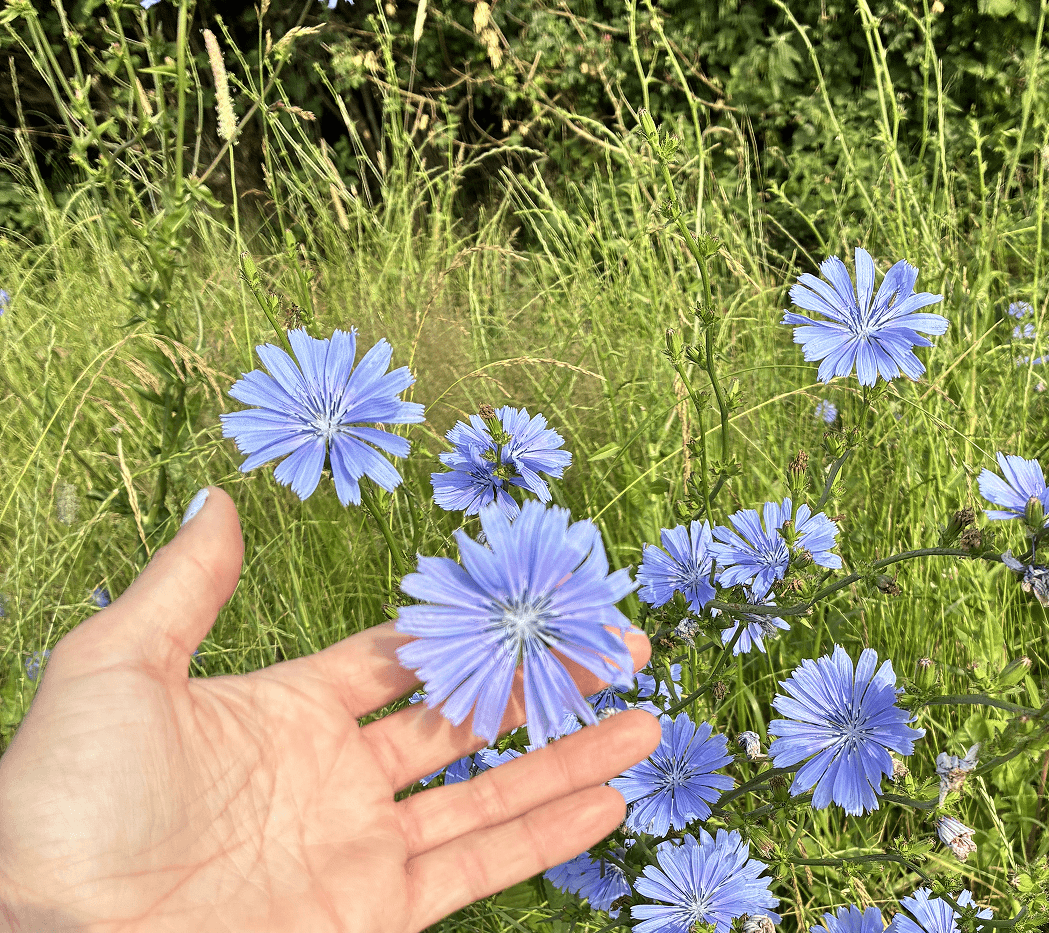
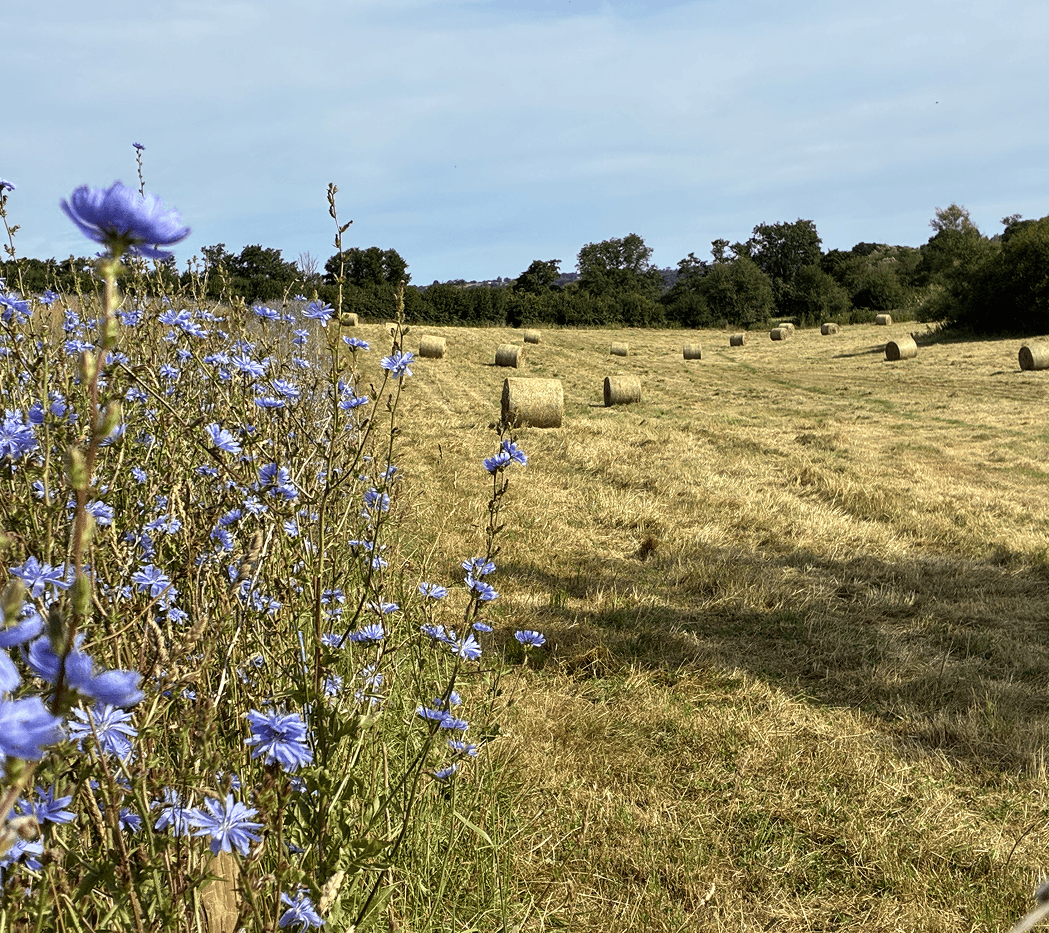
That’s where my eyes were truly opened to a whole new way of managing land and livestock: “Farming in Nature’s Image.” I was able to work with herds of Angus and Red Poll cattle at various stages of transitioning from conventional to regenerative systems, across over 1000 acres of diverse soil types and habitats.
The management of cattle wasn’t just about the livestock outcomes but also about the environmental and social impacts of the farm decisions. The cattle were part of a ‘working ecosystem’ that allowed space for nature, increased biodiversity, and required minimal human intervention. The animals were allowed to express natural herd behaviours that I had never seen before on any other farm I’d worked at. It ticked all the boxes for me: improving livestock health and welfare while working with nature, and I experienced the most job and lifestyle satisfaction and fulfilment than I had anywhere else.
In the Spring of 2024 I took on the tenancy at New House Farm, back over the border into Wales.
Meat you can trust

Regenerative, soil-first farming
Mob grazing and long rest periods build deep-rooting grasses, extending the season and improving soil health even on clay ground.
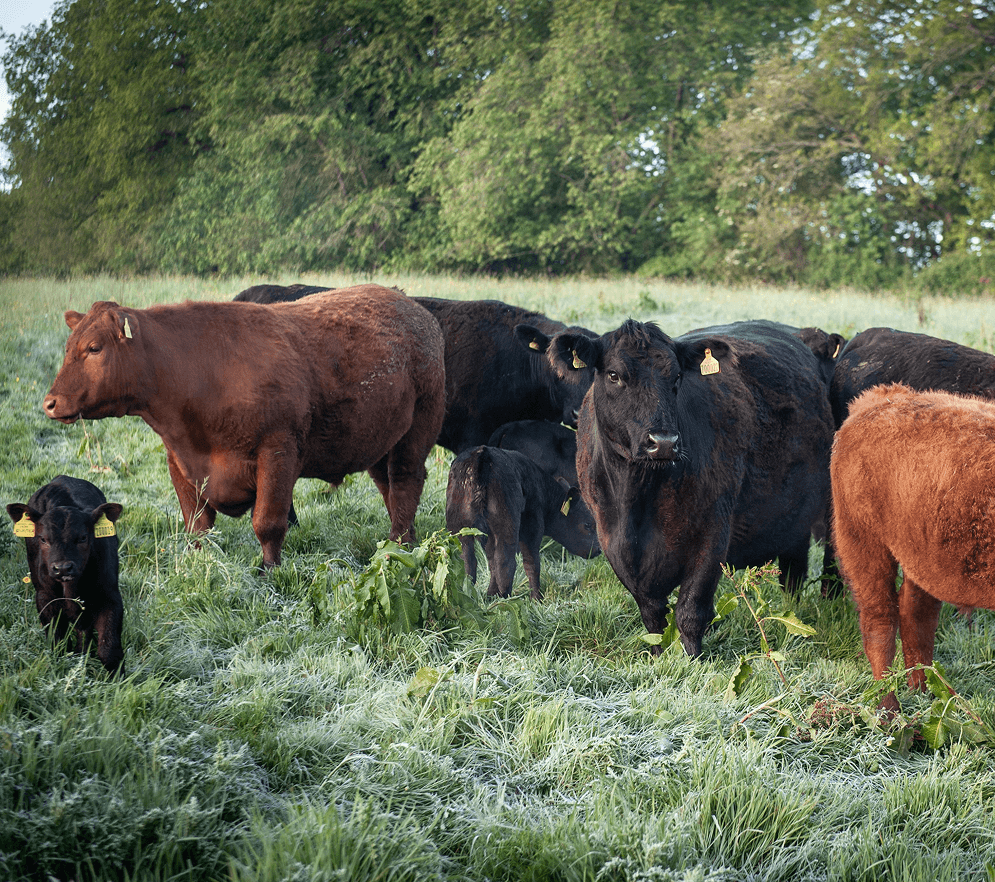
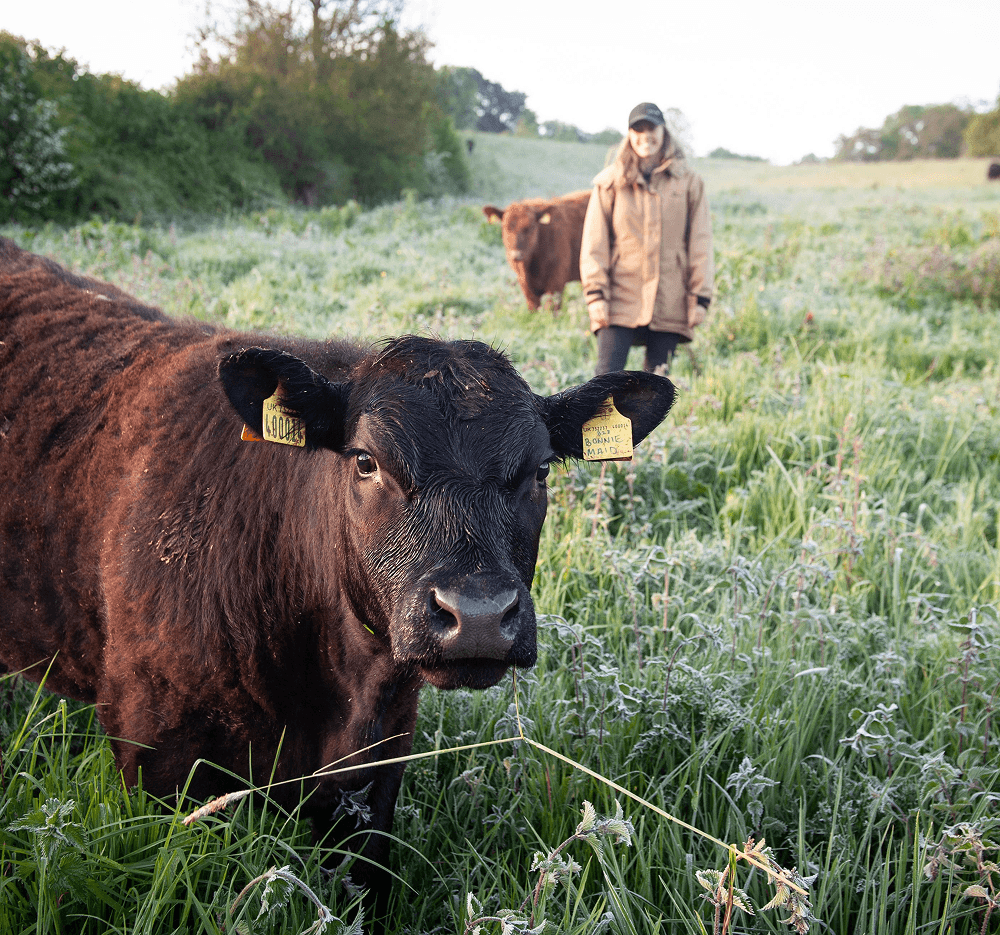
Hardy Aberdeen Angus, raised the natural way
Hardy, grass-fed Angus cattle, with winter bale grazing from diverse meadows boosting plant diversity and welfare.

Farmed with genuine hands-on expertise
Run by Sarah, a Bio-Veterinary Science graduate with hands-on experience across dairy, arable and regenerative farms.
Get started
Our monthly meat boxes
The Meat Box Subscription
£75.00
/
1 item

The Steak Subscription
£200.00
/
1000g